
The Downside of Learning
by Julie Lancaster View Bio
I’m standing in the cafeteria that doubles as a gym after the tables are folded up. It’s third period, and it’s dodgeball season. The teacher picks team captains and then lets these overly empowered 8-year-olds determine the fate of the rest of us. Each time, the boys get picked first. And then Toni Lombardo, because she’s strong and not afraid. Each time I pray to be picked. I try to act like I don’t care, but I care so very much.
The game starts and celebrates aggression and killer instincts and biceps. I don’t have these. My strategy is to try and not be invisible, and it’s successful enough. It sometimes works too well and I am one of the last ones standing, which I don’t like either. For me, this 53 minutes of the day is about survival.
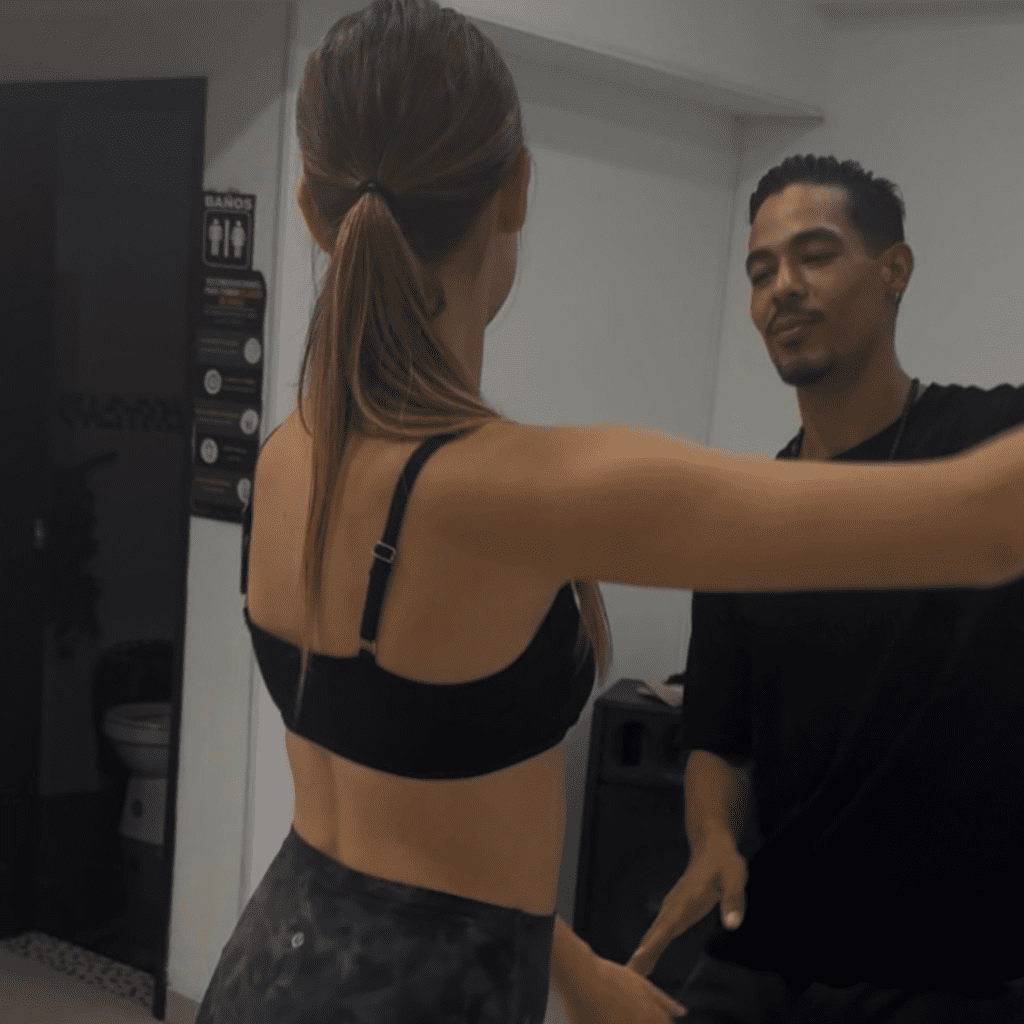
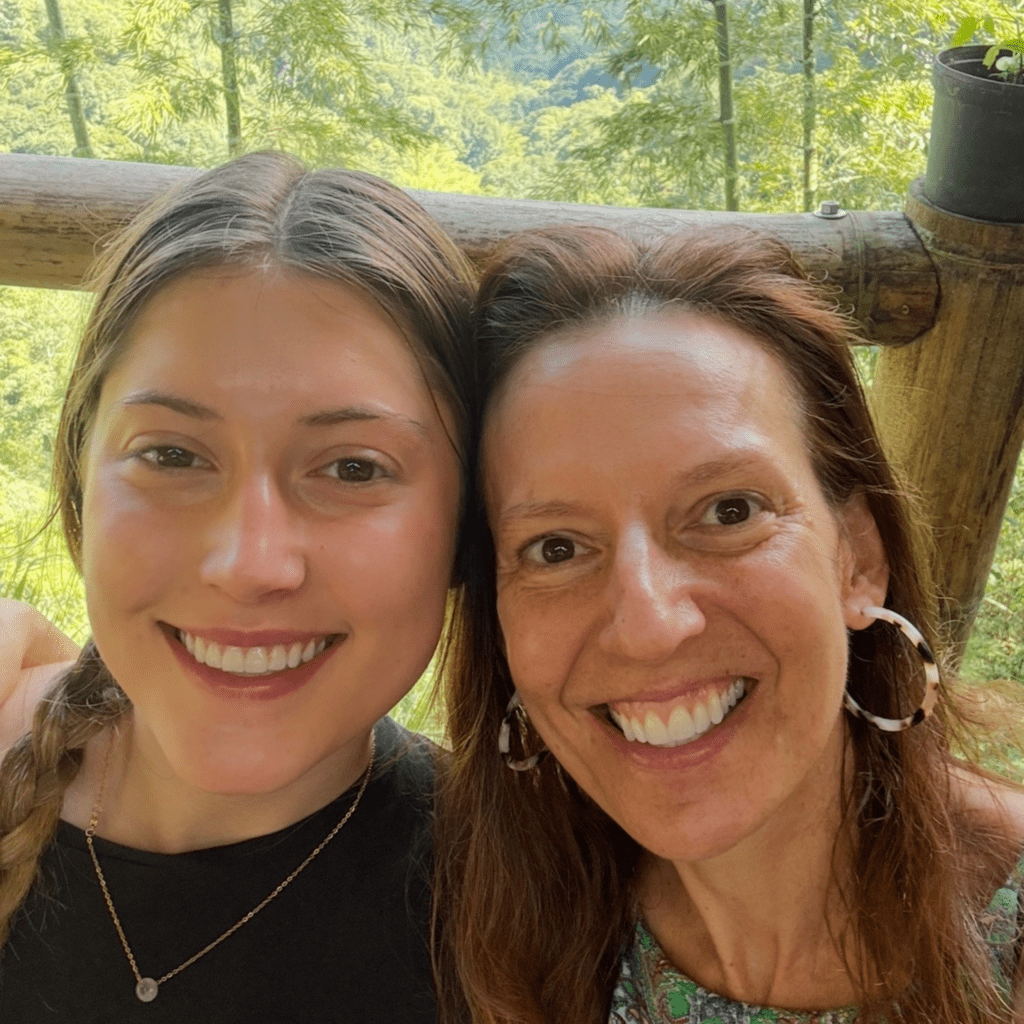
Fast-forward 46 years to Topa Tolandra, the hottest Latin dance floor in Cali, Colombia, the “salsa capital of the world.” I am with my newly 18-year-old daughter, who, at 5’10,” is magnetic without even trying.
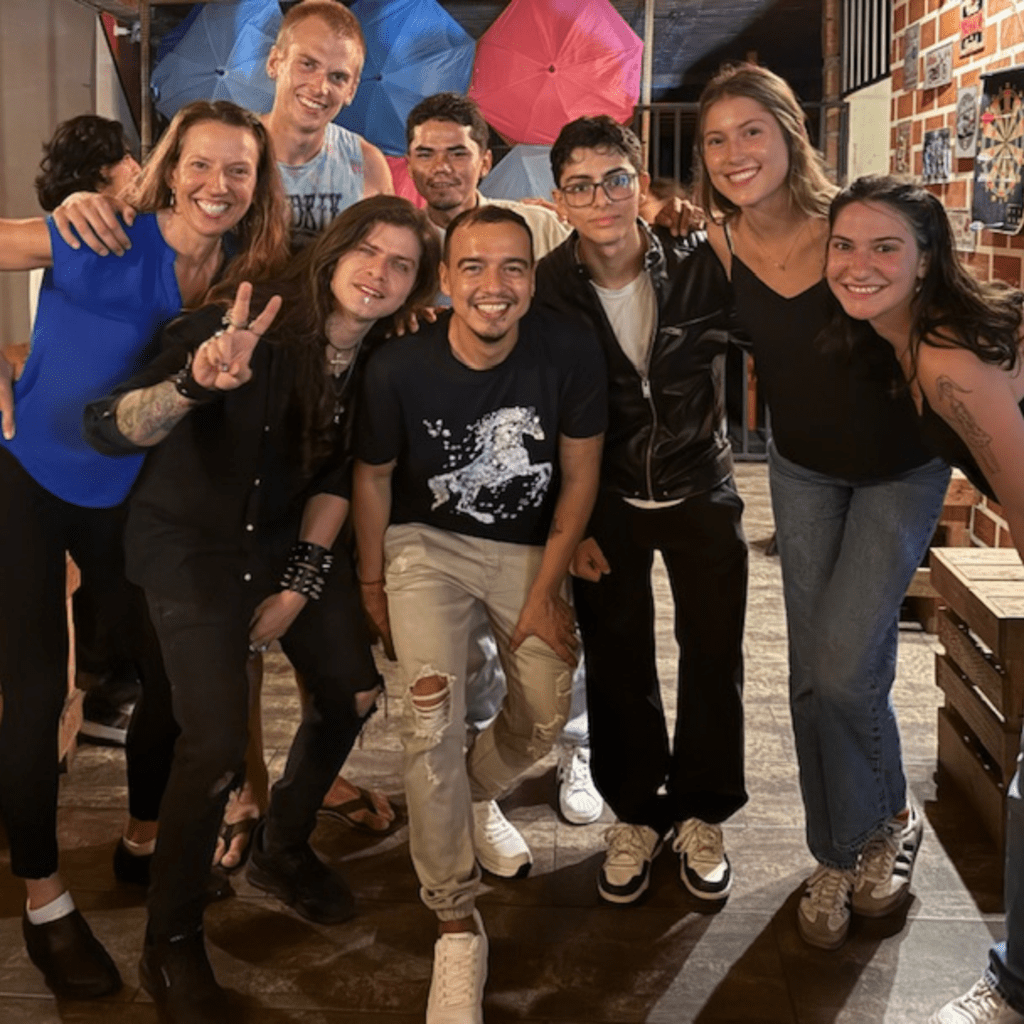
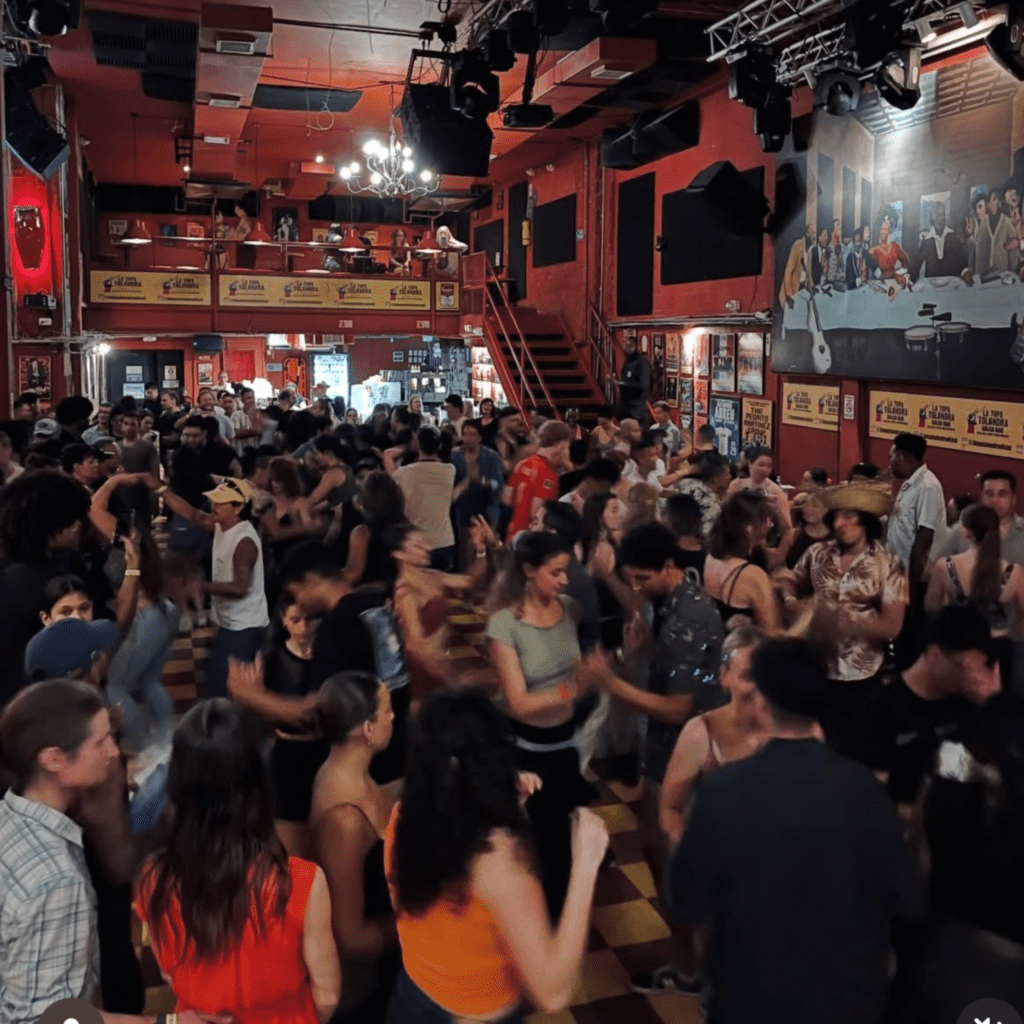
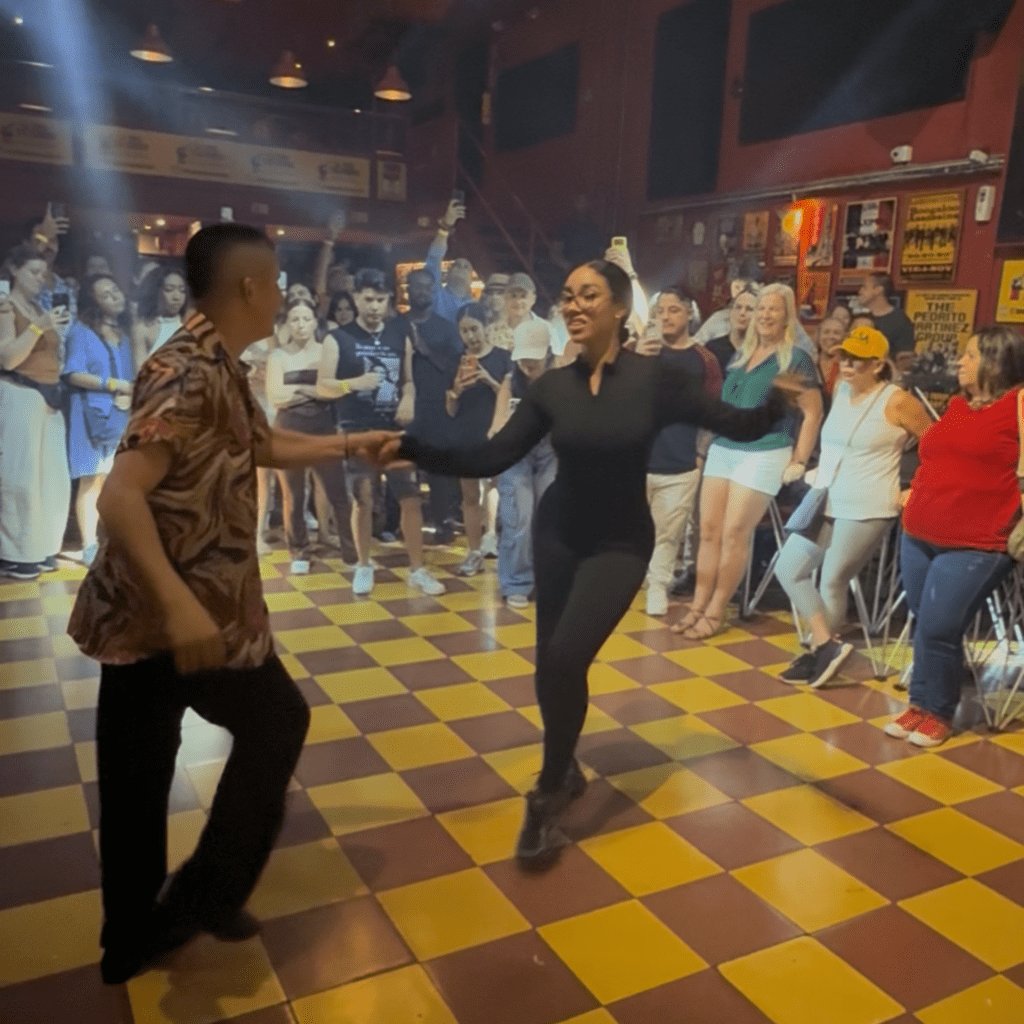
A pre-game dance lesson is about to begin from the stage. Ruby pulls us close to the front. The music and the vibe of this south American adventure makes me want to move. The mic-ed up instructors start to teach us the fancy and fast footwork of salsa caleña, a style specific to this region. This fun hour flies by, and ends with a stunning demo from the teaching couple, encircled by us students. Everything feels electric. As the rhythms of Siga La Gente blare through the nightclub speakers, Ruby says it’s her dream to be able to dance like that couple.
The social dancing begins. Like moths to a flame, the leads nonchalantly but also with driven purpose ask the follows to dance, and pairs quickly start dancing. I am whisked onto the floor. The first 15-seconds of dancing with a complete stranger is perpetually intriguing to me. Without words, we learn each other’s rhythm and frame and competence and form an intimate and temporary connection.
These people are good. And song after song, I dance, and with every song I ride the wave of exhilaration, humiliation, pride, and shyness. I’ve started intermittently dancing salsa about 3 years ago, and I am at a solid new-intermediate level. I understand 70% of the cues and moves.
After the initial swarming energy of the dance floor, I have a few rounds without being asked to dance. And then a few more.
To her delight, my daughter doesn’t leave the dance floor. Song after song, there is almost a competitive furor to ask for her hand. She is equal parts fun and fluid. She is better than me. And younger.
As I start to observe the scene around me, I notice the age of the dancers: about 2 decades my junior.
There are some older folks. However, the men seem as though they have been dancing since they left the womb. The women have the security blanket of being surrounded by a group of their friends.
I stand alone.
I am back in dodgeball.
I want to be picked. I try to look like I don’t have a care in the world. Not only do I yearn to be picked, but I have a double dose of insecurity, as I am self-judging because as a grown woman, I shouldn’t care about being popular. But I do.
In my day job, I help people with these exact things: positive self-talk, stress reduction, resilience, confidence, empowerment, solutioning. In this moment, I don’t remember anything. I am consumed by smallness. In this moment I think that the people who love learning or trying new things have never actually tried to do something new. Learning is terrible. I want to leave.
And then, something magical happens. I don’t leave. And someone else asks me to dance. At first it’s hard to break out of sulking, but then the excitement comes, and at times embarrassment for missing a move, but feel a general willingness and some joy and sweat and I feel a bit better. And before retreating to the sidelines again, I realize that I could actually ask someone to dance. I do, and we dance. The spell of self-doubt starts to lift.
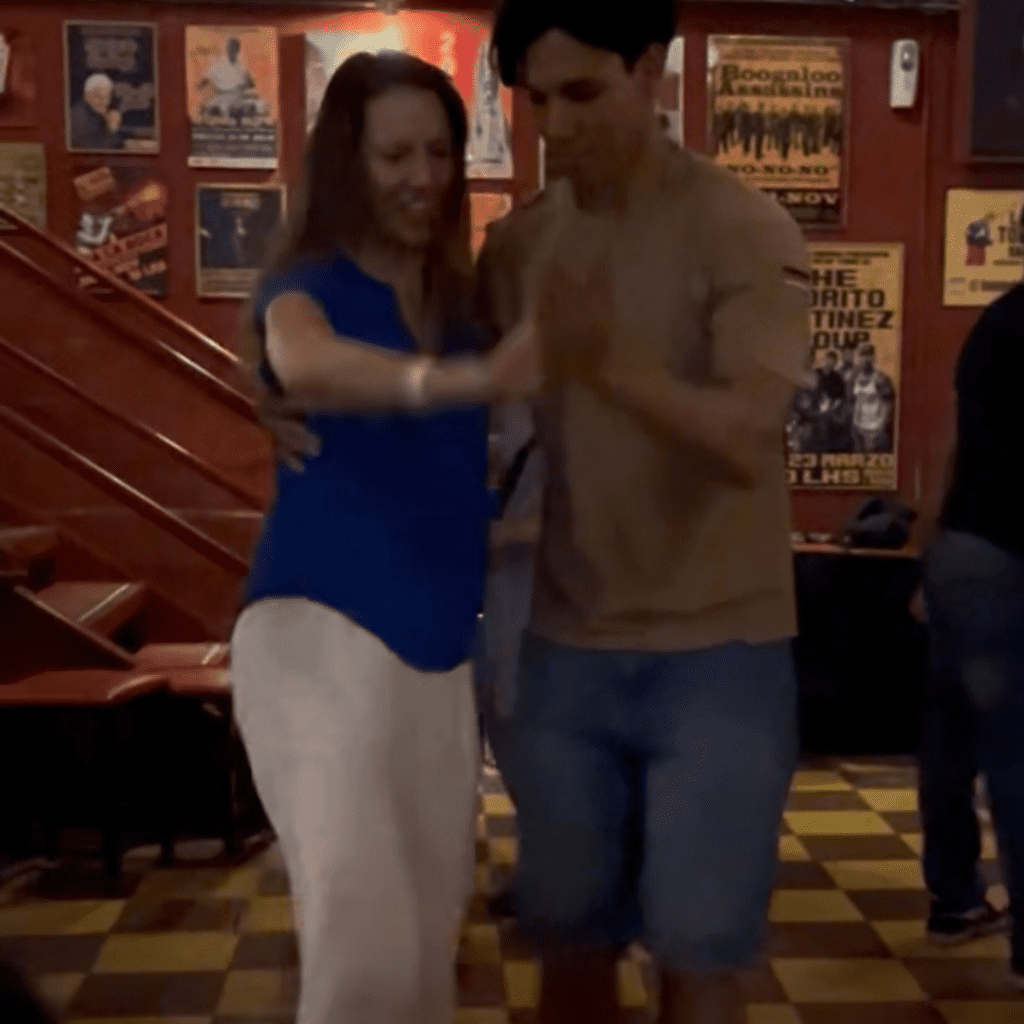
I continue. I get all dressed up with my daughter and we go out into the night, week after week, month after month. More dance floors and more feelings.
The dodgeball syndrome never really goes away.
Learning, it turns out, isn’t brave because it’s glamorous. It’s brave because it activates old stories we thought we outgrew; for me, the wanting to be chosen. When we try something new, we surrender competence. We volunteer to be awkward.
That’s the downside of learning.
But here’s the upside: every time I don’t leave the dance floor, I am rewriting third period. Every time I stay through the smallness, I grow just a little bigger.
Maybe learning isn’t just about increasing our skills.
Maybe it’s more about staying.
MORE BLOG POSTS

Lifting Each Other Up & Best Selling and Award Winning Book – What? 😊
I recently heard a statistic that if we have a culture of high inclusion, burnout decreases by 93%. This helps me to understand myself and my motivations for my work. …
Are you reaching your goals?
Now is the time of year for change. With fall comes back-to-school, changing leaves, and new aspirations. What might you want to change? Challenging ourselves with new goals can be, …