Building Bridges, Not Just Vocabulary
by Julie Lancaster View Bio
Building Bridges, Not Just Vocabulary
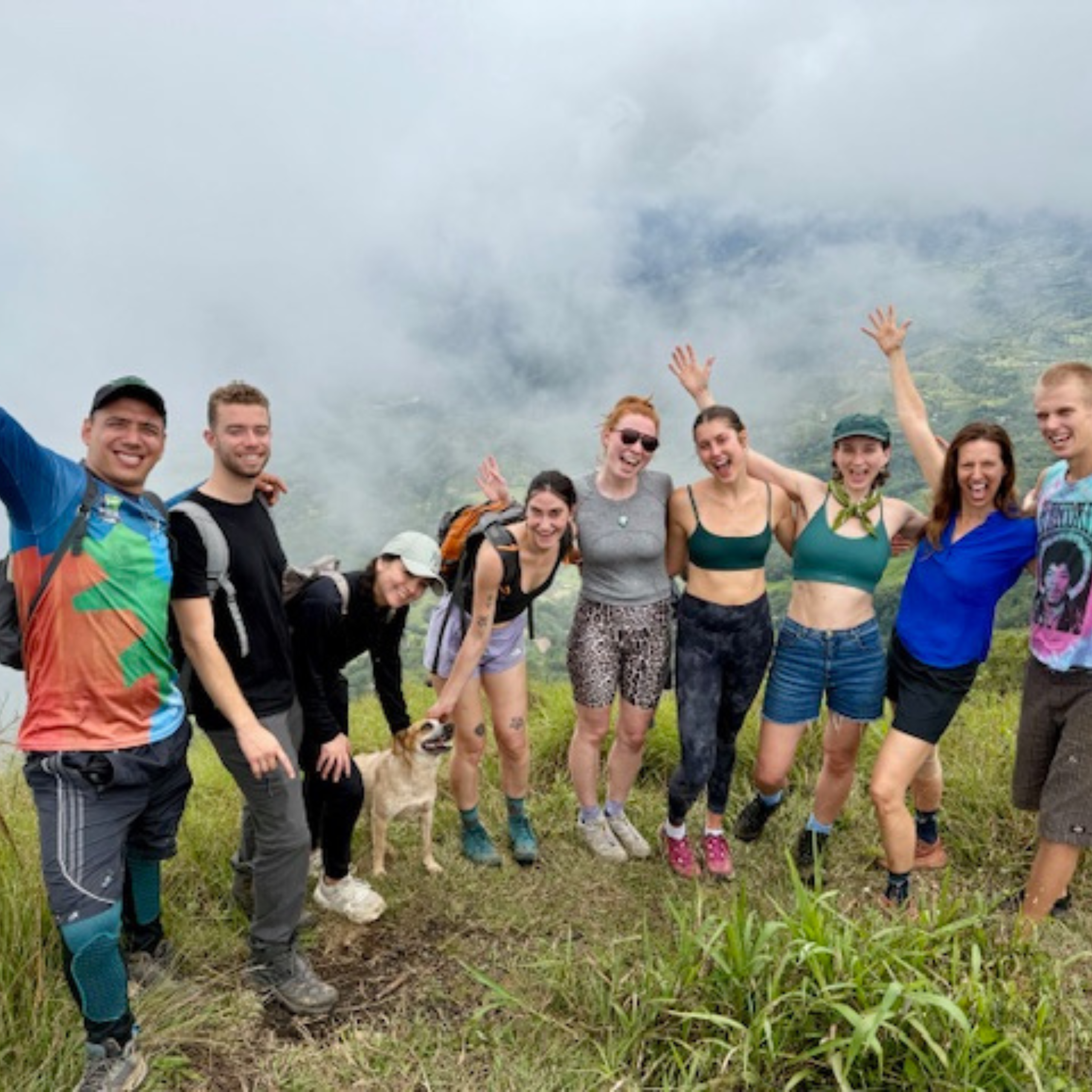
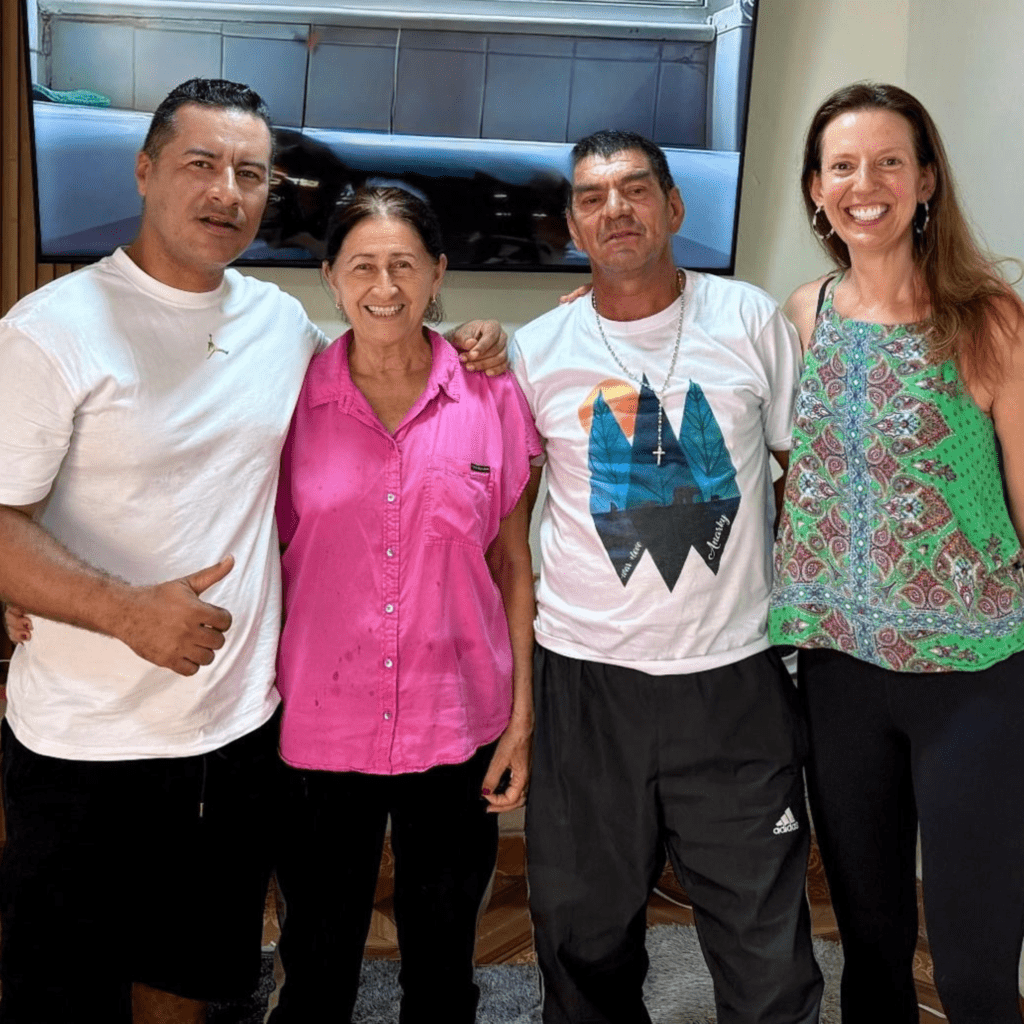
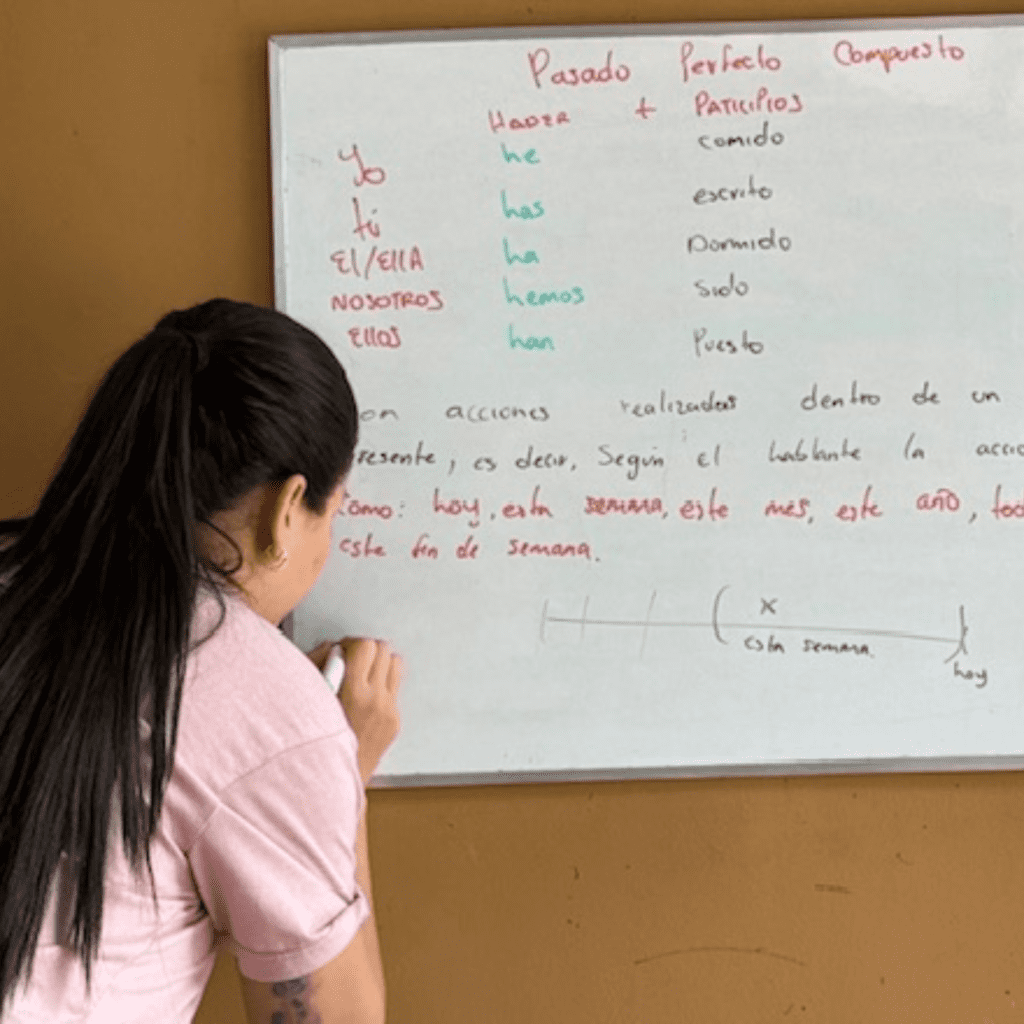
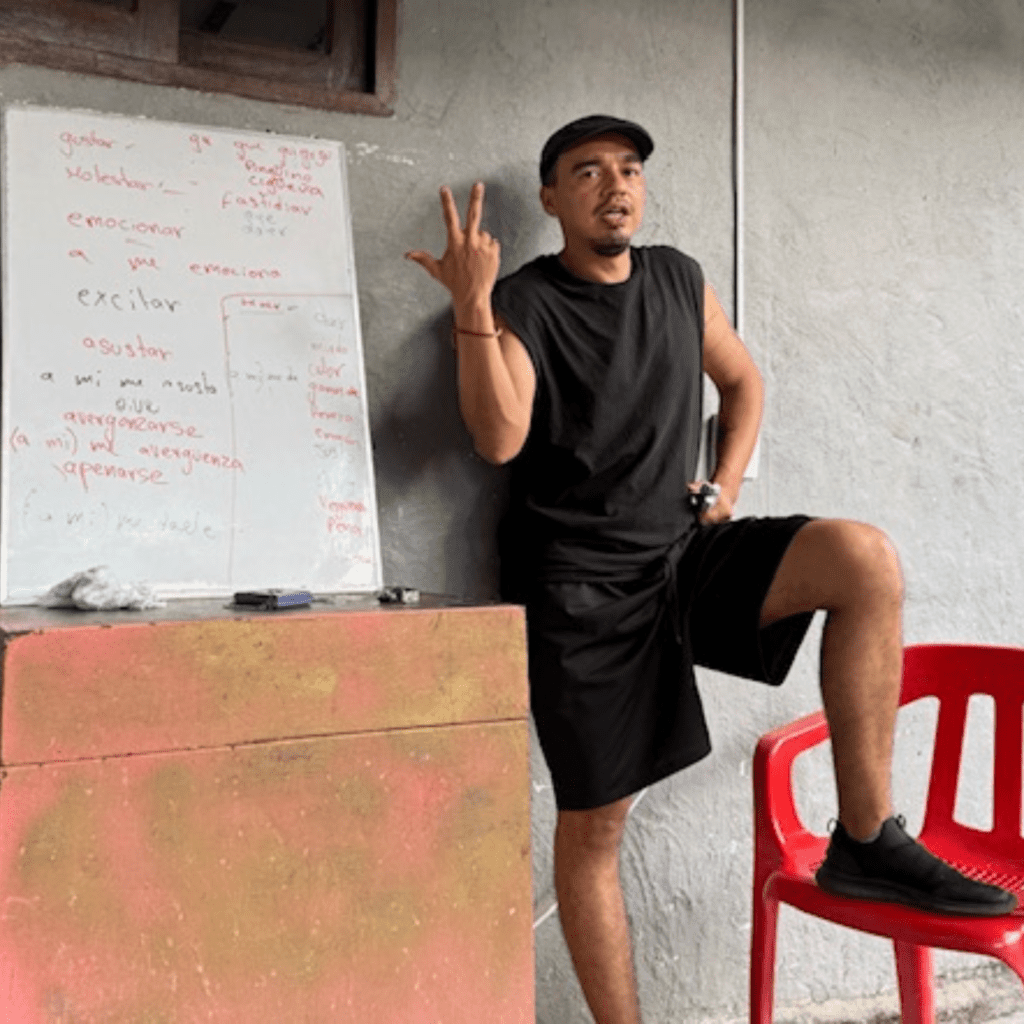
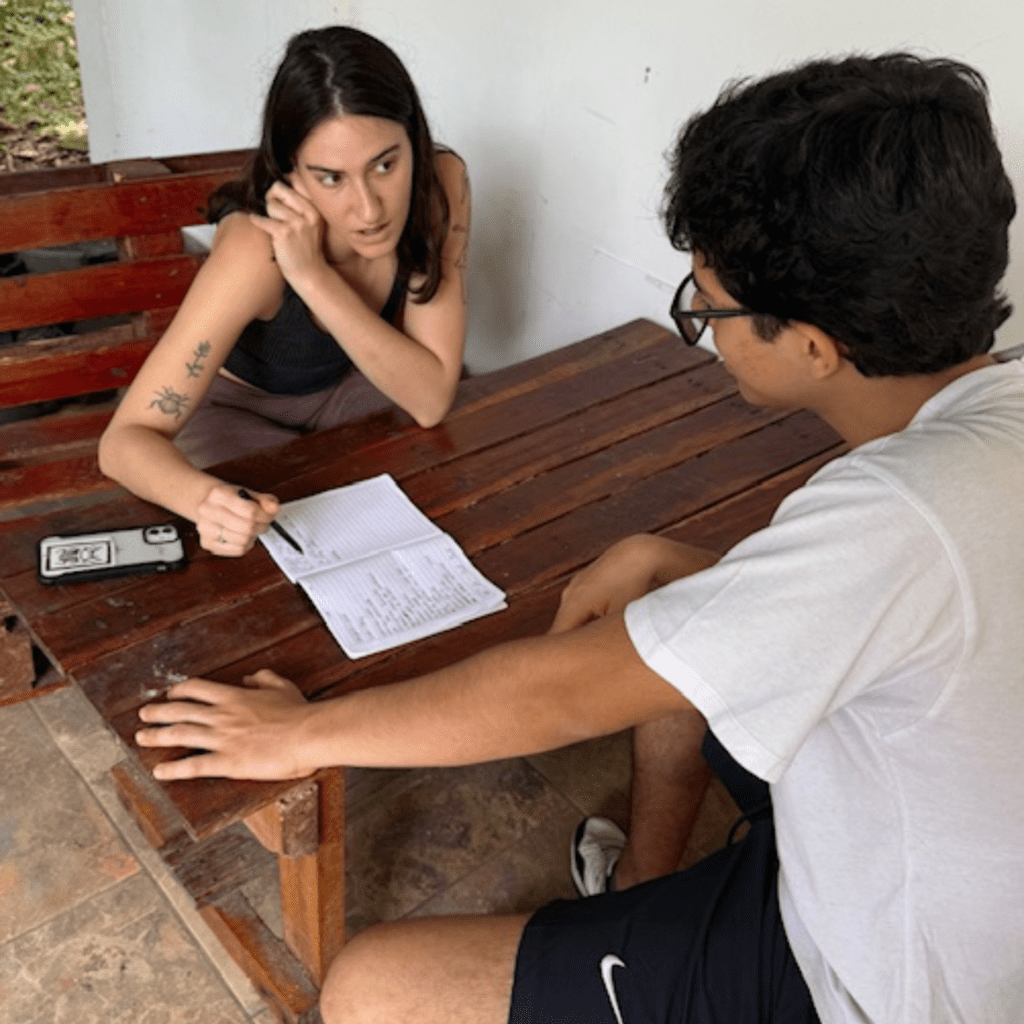
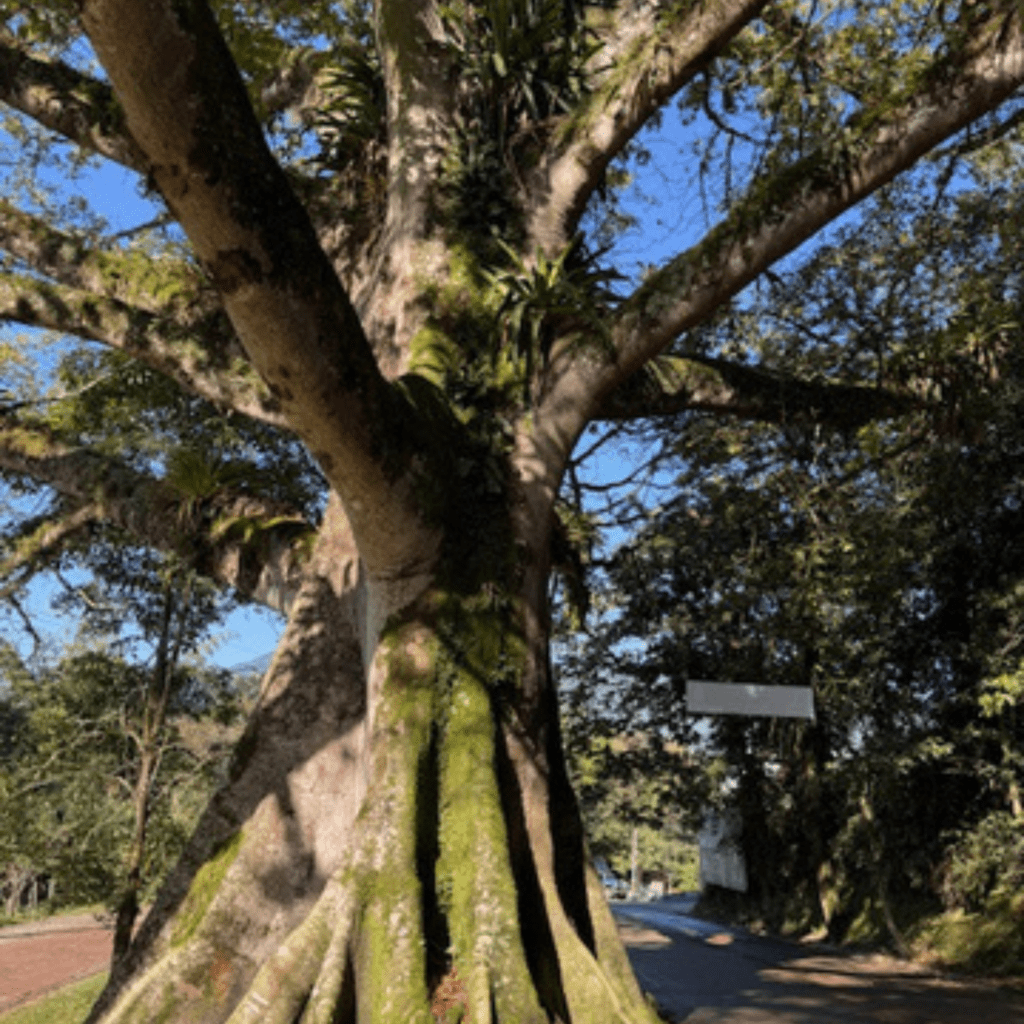
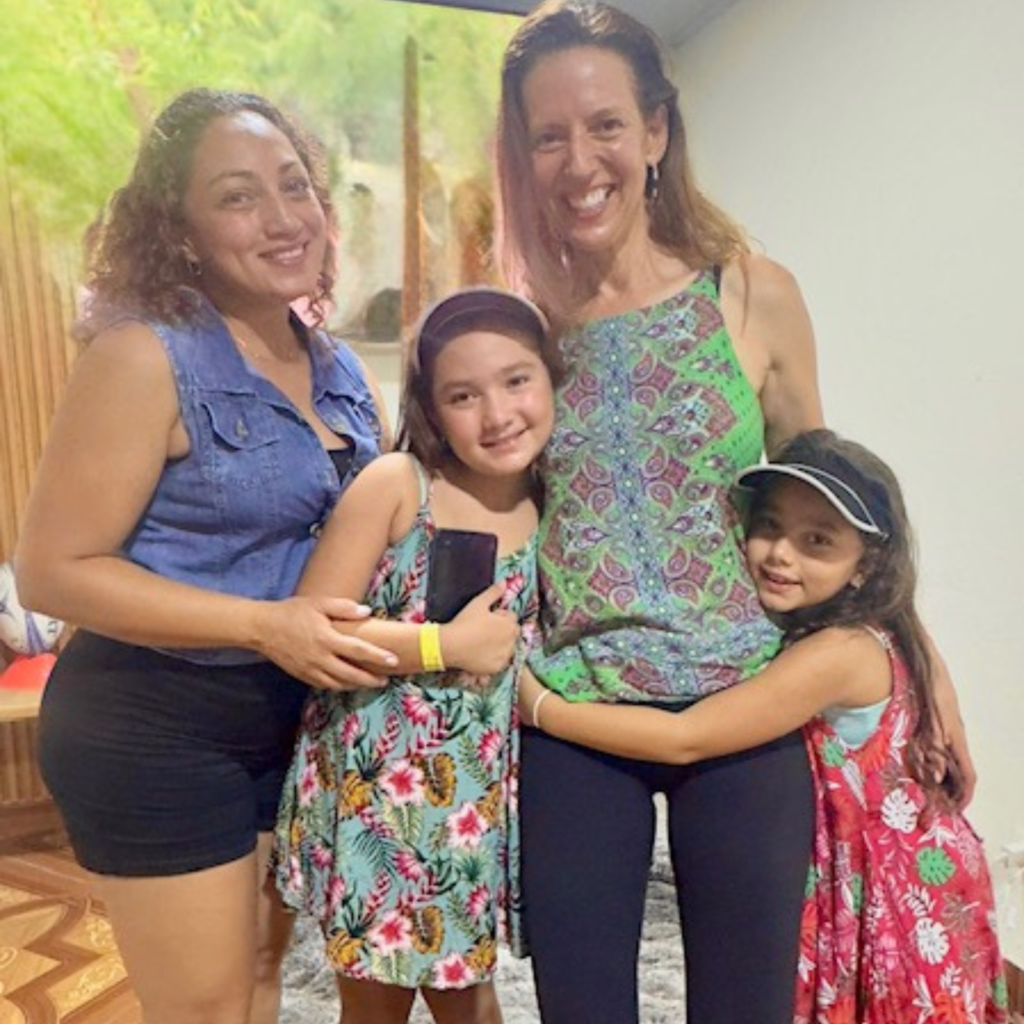
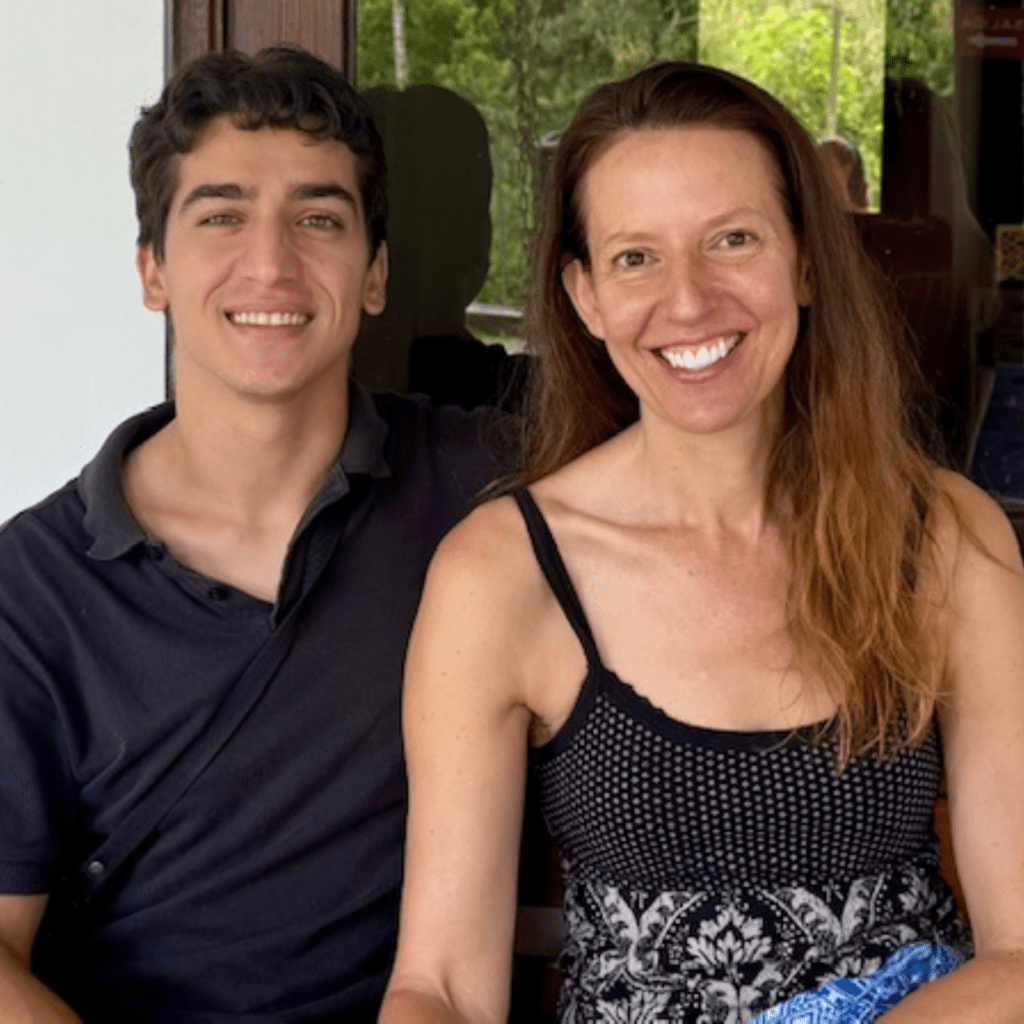
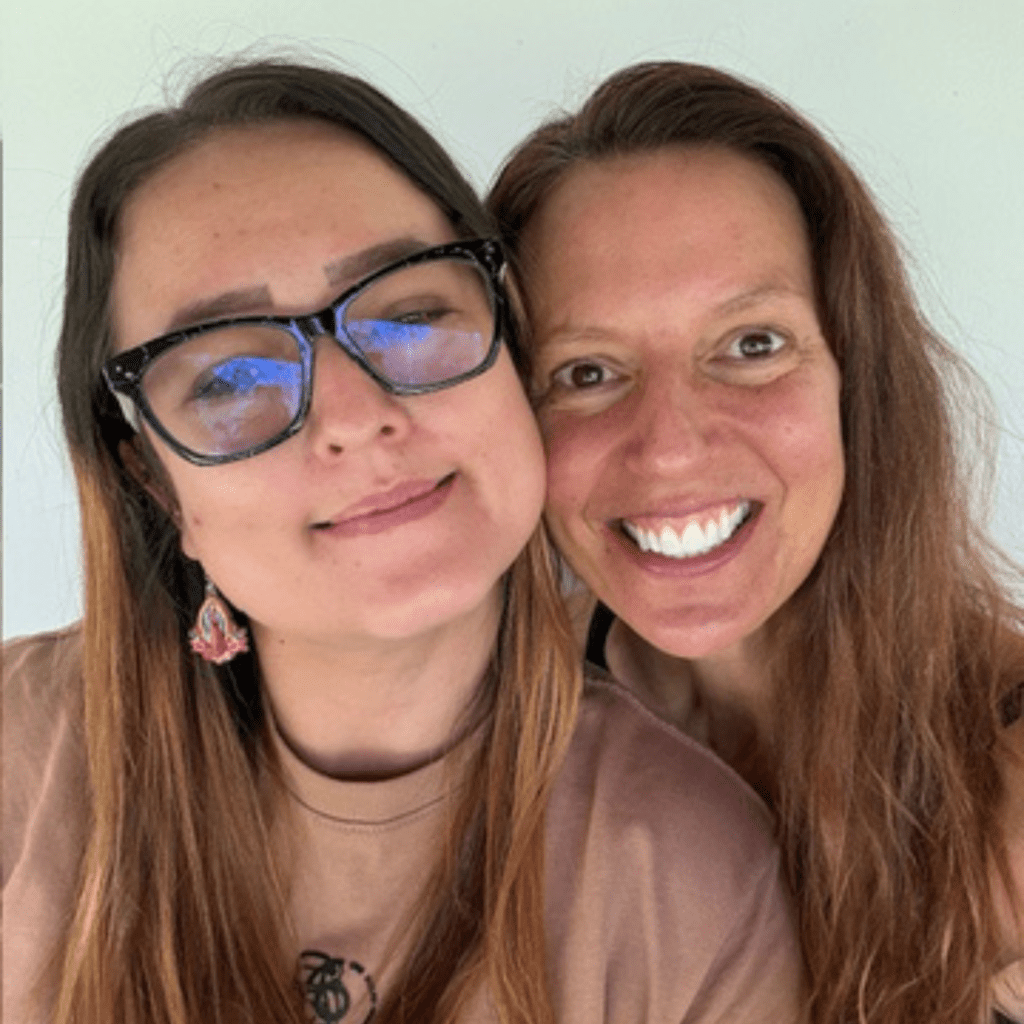
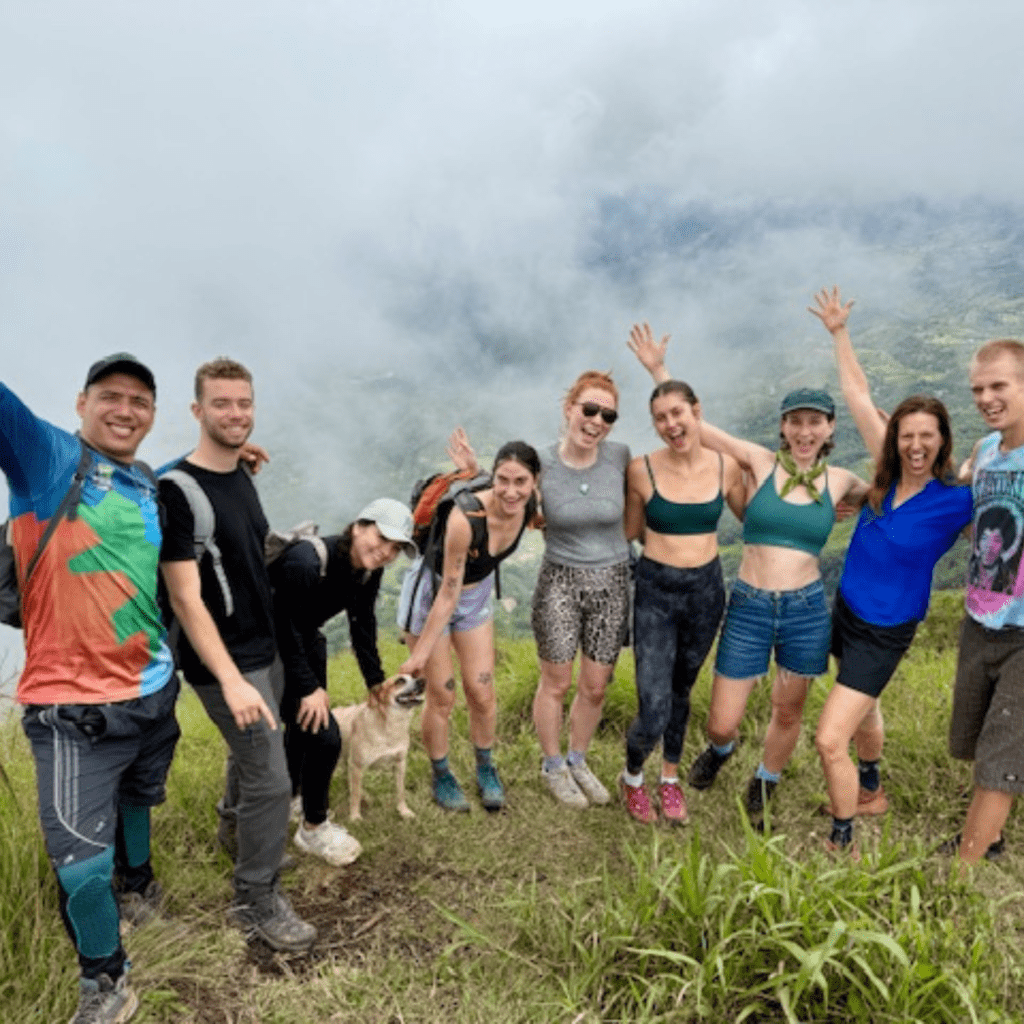
Celebrating Camilo’s 10-year anniversary in business, this 2026 I decided to do things differently. So for the month of January, I tested out remote working in the rural Colombian town of San Carlos. At the same time, I attended Spanish Adventure, a language program that seamlessly blends cultural immersion with meaningful community connection.
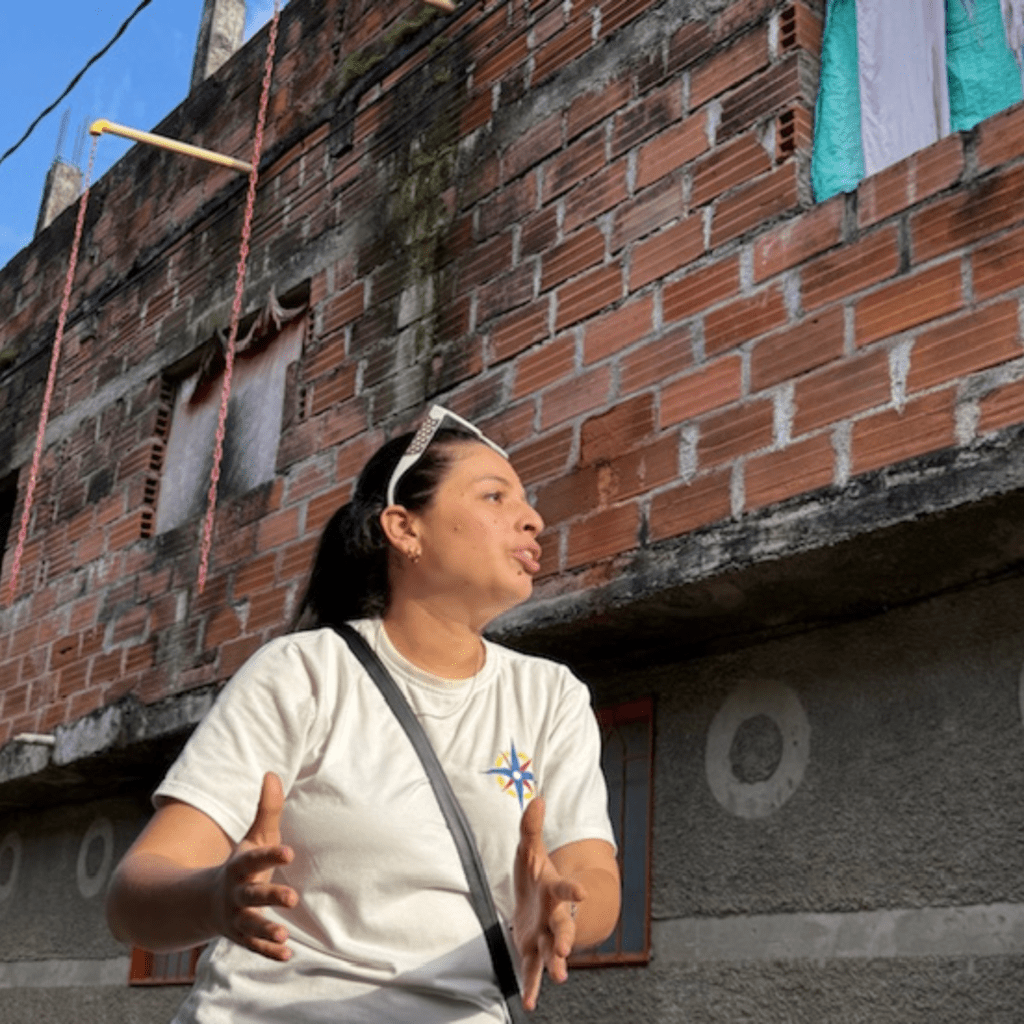
Each morning I walked through town to class, returning each evening to a warm homestay with a generous local family — an experience that expanded not only my language skills but also my understanding of culture and human connection. At the heart of this inspiring organization is Camilo, short for Juan Camilo García Martínez, the director and co-founder, whose commitment to authentic exchange has shaped a business that feels less like a school and more like a bridge between worlds. Spanish Adventure expanded my definition of Lancaster Leadership’s values: authenticity, generosity, and connection. Sit back and enjoy the journey that Camilo shares in this interview below.

Origins & Vision
Can you share the story of how Spanish Adventure began — when the idea first took shape, and what inspired you to build a language and cultural immersion program in San Carlos?
Spanish Adventure was born from travel — and from a quiet dissatisfaction.
When I traveled, I realized something: you can visit beautiful places and still never truly know them. Many experiences are manufactured for tourists — curated, polished, but disconnected from real daily life.
I wanted something different. I wanted learning to feel like living.
The idea began with my friend Daniel, who started the school with me. In the very beginning, it was just the two of us. My mother and my brother Joan supported us emotionally from a distance, but the day-to-day reality was Daniel and me building from scratch.
It was not easy. In fact, it was quite difficult at first. We were building something almost from nothing — creating classrooms, designing experiences, welcoming the first students without knowing exactly how things would unfold.
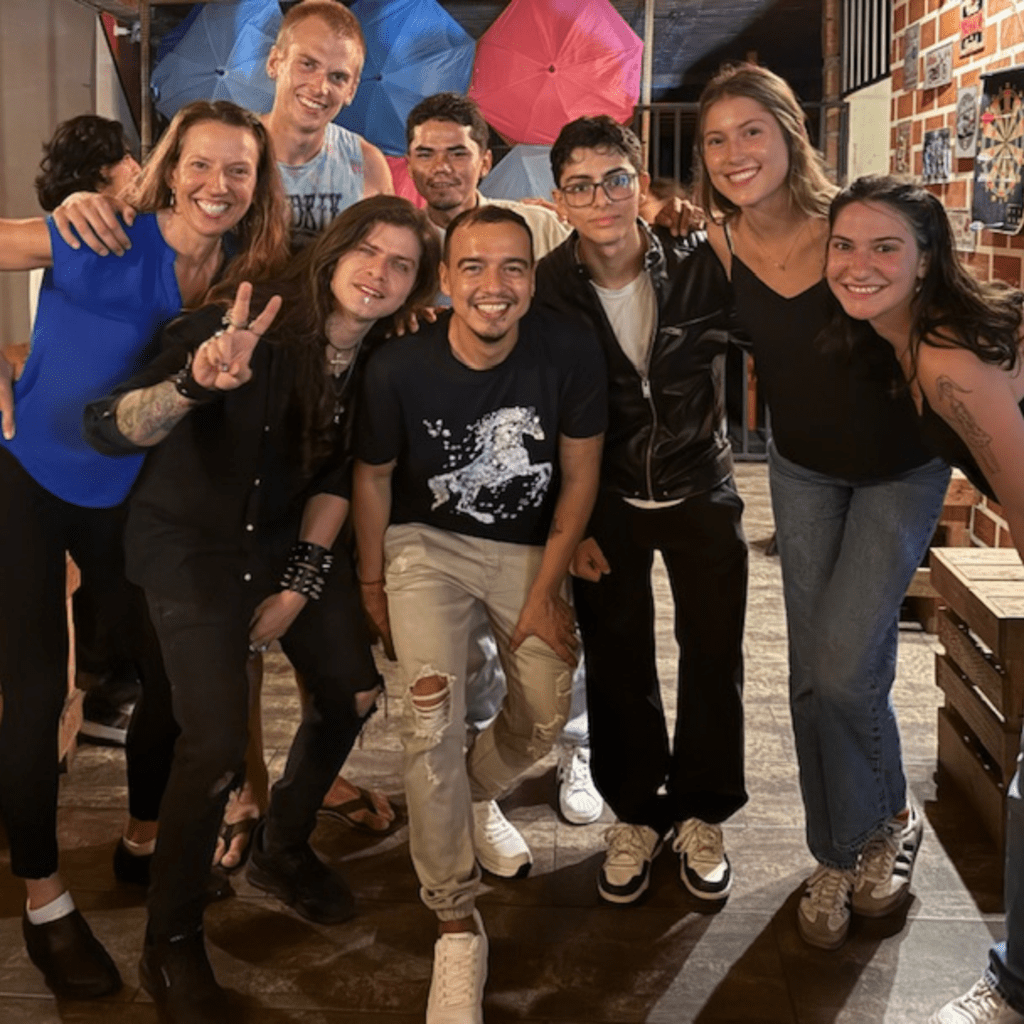
With the help of international volunteers and early students who believed in the vision, we slowly began creating not just a school — but a community. A place where learning Spanish is part of everyday life. A place where we laugh every day — and with every laugh, we learn.
I have always believed that emotions accelerate learning. And that learning itself can be an adventure.
San Carlos is not a tourist city — and that is intentional. Students walk through real streets, meet real families, hear real stories. They don’t observe culture from the outside — they participate in it.
Spanish Adventure became a bridge between travelers who want depth and a community ready to share its resilience, warmth, and humanity.
Family & Team
Several members of your team are family — including your brother and your mother. What are the joys and challenges of working so closely with loved ones while building this business? How do you balance family roles with professional expectations?
I see Spanish Adventure as a community of travelers who want to truly experience Spanish — not just study it.
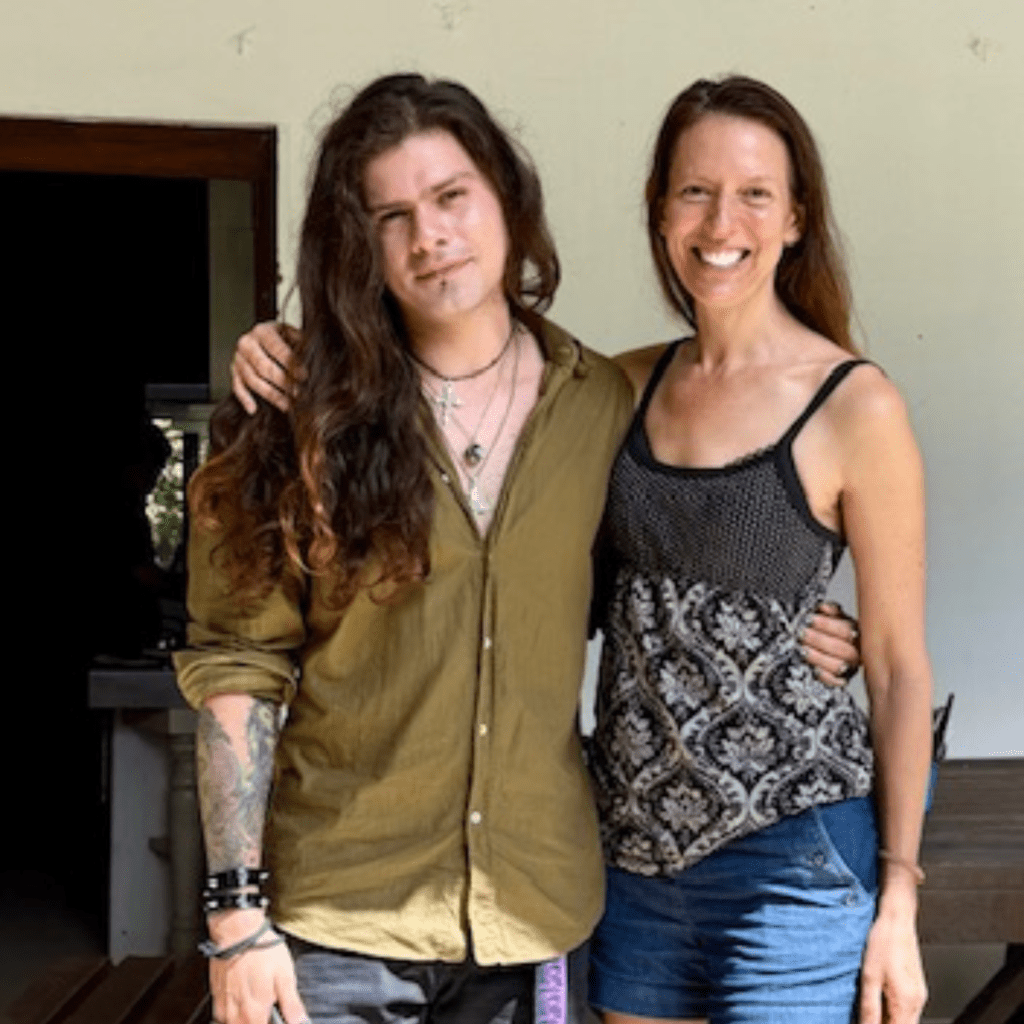
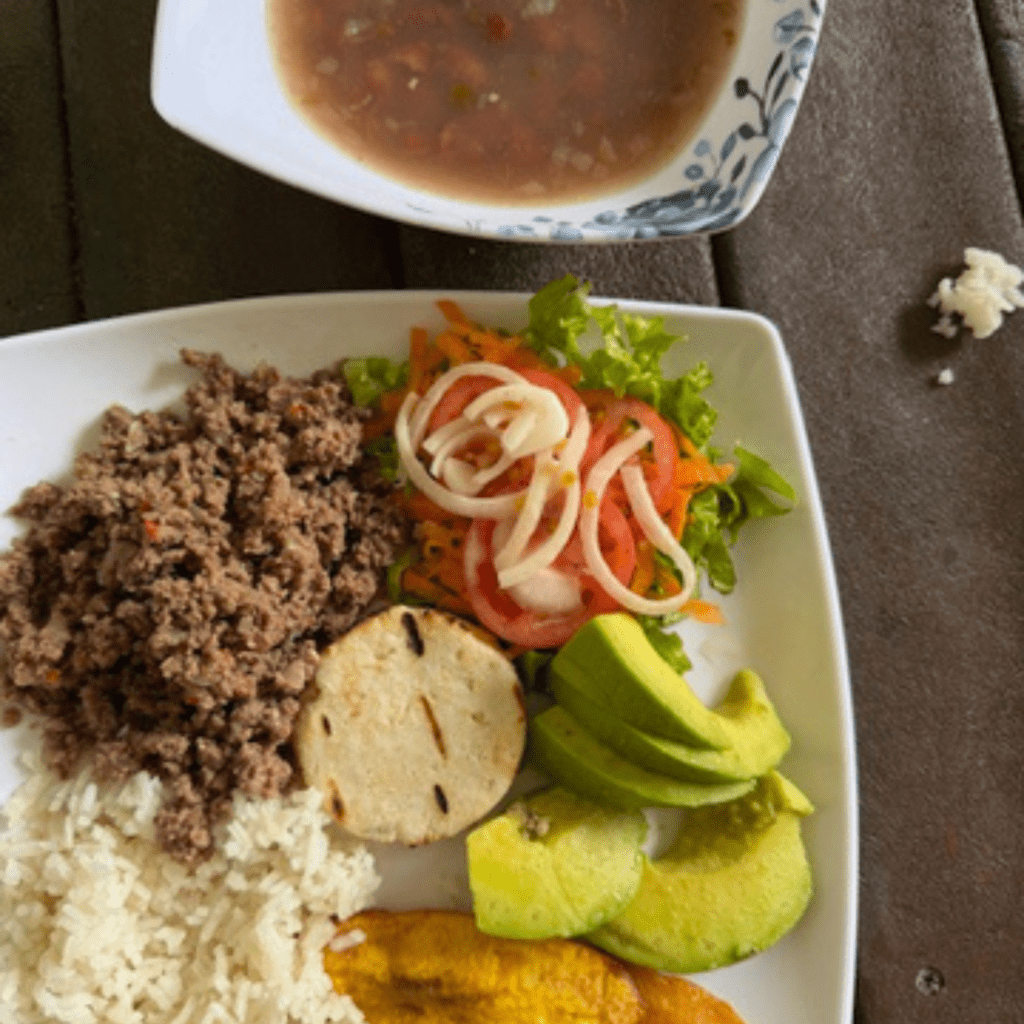
Over time, my family became more directly involved. First, my mother joined us, helping with food and the restaurant. From there, she gradually became involved in many other areas. Later, my brother Joan came in and brought structure and organization to the growing project. He is no longer part of the daily operation, but his contribution was essential in a key phase of our development. More recently, Christopher has joined us as he enters adulthood, beginning to grow within the organization.
Working with family brings warmth and shared values. My mother represents hospitality and care. My brother brought strength and structure. Daniel helped shape the foundation of this project. But building something with loved ones also requires maturity.
Education within the team is an ongoing process. We receive people from many countries and cultures. Differences arise — and that is natural. Respect is essential.
Within the team, trust is equally important. We create space to speak openly about problems, misunderstandings, and cultural differences. We do exercises together. We talk things through. We aim for solutions rather than blame.
Professionalism protects relationships. And trust strengthens them.

Challenges & Resilience
Every entrepreneurial journey includes setbacks. What have been some of the most difficult moments along the way, and what helped you persevere?
The beginning was harder than I expected.
We imagined growth would be faster. It wasn’t. There were moments of doubt. Financial pressure. Questions about sustainability.
But with Daniel, and with volunteers and students who believed in the dream, we kept building that community — a place where people shared adventures, stories, laughter, culture, and knowledge.
The pandemic was one of the most difficult chapters. Travel stopped. Uncertainty grew. Afterward, new challenges emerged in marketing, competition, and digital transformation.
But each difficult stage forced us to grow. We became stronger, more strategic, more intentional.
Resilience for me is not ignoring difficulty. It is continuing because the mission is bigger than the obstacle.
Success & Philosophy
What do you believe has been the “secret” to Spanish Adventure’s success — whether in your teaching philosophy, relationships with students, or your connection to the community?
If there is a secret, it is coherence between philosophy and action.
Spanish Adventure was born from the belief that language is learned the same way life is learned — by using it. By practicing it. By living it.
But philosophy alone is not enough. What truly matters is caring deeply about the student’s progress.
Every morning we hold a teachers’ meeting. We discuss each student individually — their strengths, their challenges, their fears. We share strategies to help them grow. We exchange knowledge as educators.
And it’s not only technical. We start with jokes sometimes. We laugh. We create a relaxed environment. Learning thrives where tension is low and connection is high.
Language grows where emotion lives.
Adult Learning & Transformation
You work primarily with adult learners, many of whom are balancing careers and remote work. What have you learned about how adults learn language best — and what transformations have you witnessed?
Every adult is different.
Each one arrives with expectations, learning styles, strengths, insecurities, and self-perceptions. Some are perfectionists. Some have strong grammar but cannot speak. Others speak confidently but need structure. Some lack vocabulary. Others need listening practice.
We have a philosophy and a methodology — but adaptation is essential.
Teaching adults is not about explaining the same concept in many ways. It is about finding many paths toward one goal: communication.
The moment a student sustains a conversation with a local — not perfectly, but confidently — something shifts internally. It is empowerment.
Adult language learning is rarely about verbs. It is about identity expansion.
Daily Leadership Habits
What are three essential habits in your daily routine that help you stay grounded, lead effectively, and continue growing this organization?
Leadership, for me, is daily practice.
We meet every day — not only to talk about students, but to reflect on how the previous day went. Continuous learning is not just for students. It is for the team.
Three habits guide me:
1. Intentional Presence
I try to learn and remember the names of every student and every team member each week. Recognition builds connection. Even when students don’t remember my name, I remember theirs. That matters.
2. Open Communication
We create space to discuss what worked, what didn’t, and what we can improve — without fear.
3. Continuous Learning
I believe leadership requires constant growth. Every day offers something new to learn. Staying curious keeps me grounded and humble.
At the end of the day, leadership is simple:
Make people feel seen.
Make them feel safe.
Make them feel capable.When that happens, language follows naturally.
In my life, the truly best learning happens when I step out of the daily. Getting out into the world with Camilo’s team and getting gritty by wrestling English into Spanish and creating some semblance of sense to come out of my mouth feels like a nearly vertical learning curve. I love (and at times hate) to put myself in “learning’s way.” When I step into that flow, I never quite know what I’m going to discover, but if I keep my eyes open wide, the world widens and I find new ways of seeing and being.
MORE BLOG POSTS
My November Intentions
I set goals for myself yet I hardly follow through with them. There is something about the word goal that tends to set me up for failure. The total opposite …

On Love
BALONEY MOUSSE. I DO NOT love the baloney mousse. But it has helped me to clarify my risk-taking travelling rubric. Consider it if it’s: 1) safe 2) kind 3) creates …