
Creating a Peer Advisory Board or Mastermind Group

by Julie Lancaster View Bio
The strongest leaders don’t grow alone. They surround themselves with sharp thinkers who challenge assumptions, expand perspective, and hold them accountable to bold action. A well-designed mastermind group creates space for strategic clarity, courageous conversations, and consistent forward movement.
Why a Mastermind?
A well-designed peer advisory board accelerates clarity, courage, and accountability. The right group helps you:
· Sharpen strategic thinking
· Stress-test decisions before they go live
· Expand perspective beyond your industry
· Increase accountability and follow-through
· Reduce isolation at senior levels
Best Practices for High-Impact Mastermind Groups
1. Curate Intentionally
Ideal size: 3–8 members (small enough for depth, large enough for diverse perspective)
Similar ambition level; diverse industries
Shared values: confidentiality, growth mindset, generosity
Avoid direct competitors if transparency is essential
2. Establish a Clear Purpose
Define your collective focus (revenue growth, leadership development, succession planning, scaling impact, or personal alignment).
Create a shared 12-month outcome statement.
3. Create a Strong Structure
Recommended Format:
1. Opening Wins & Updates (10–15 min)
2. Spotlight Member #1 (20–25 min)
3. Spotlight Member #2 (20–25 min)
4. Commitments & Takeaways (5–10 min)
Rotate spotlight seats each meeting.
4. Decide Meeting Rhythm
· Monthly (most common)
· Bi-weekly (during growth sprints)
· Quarterly in-person retreat + monthly virtual check-ins
Consistency builds trust.
5. Build in Accountability
Each member ends with 1–3 measurable commitments, a timeline, and a peer accountability partner between meetings.
Track commitments visibly.
6. Incorporate Depth Work
· Strategy & Vision
· Talent & Bench Strength
· Financial Health
· Culture & Engagement
· Personal Energy & Sustainability
Sample Annual Roadmap
Quarter 1: Vision, metrics, strategic priorities
Quarter 2: Execution systems & leadership bench
Quarter 3: Innovation & expansion
Quarter 4: Reflection, lessons learned, recalibration
Powerful Questions to Use in Sessions
· What decision are you avoiding?
· What would bold look like here?
· What’s the real constraint?
· If this were easy, what would you do?
· What are you not seeing because you’re too close to it?
Final Thought
The strength of a mastermind is not in advice — it’s in perspective, courage, and accountability. Curate wisely. Show up fully. Play long-term. Growth happens faster in rooms where trust is high and expectations are clear.
MORE BLOG POSTS

Everyday Ethics and Integrity
Most of us in leadership roles have participated in numerous ethics workshops, training and coursework. Often, the case study scenarios presented seem like events that only occur on the big …
Moments of Connection
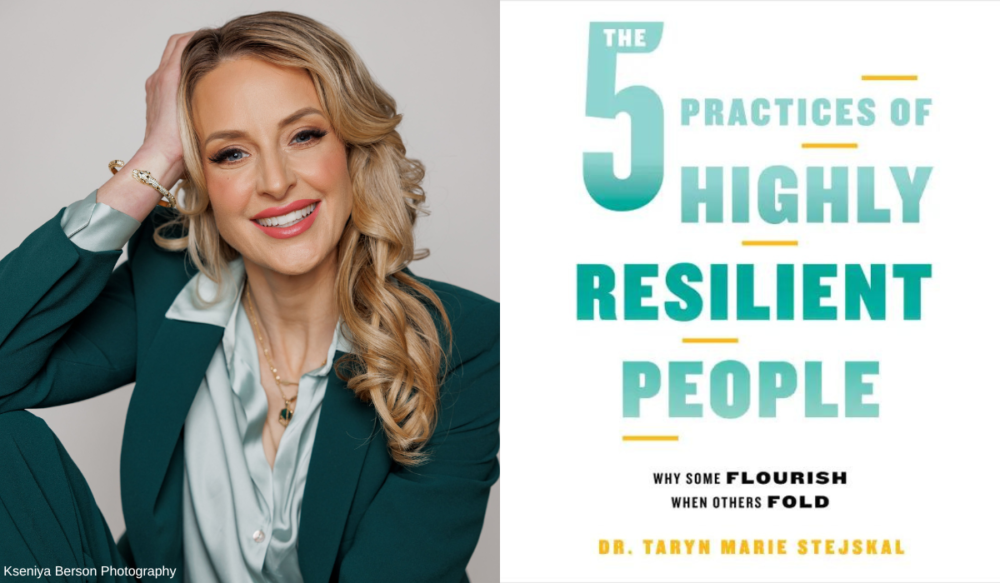
Recently, I had the pleasure of chatting with Dr. Taryn Marie Stejskal the author of The 5 Practices of Highly Resilient People: Why Some Flourish When Others Fold. It was …